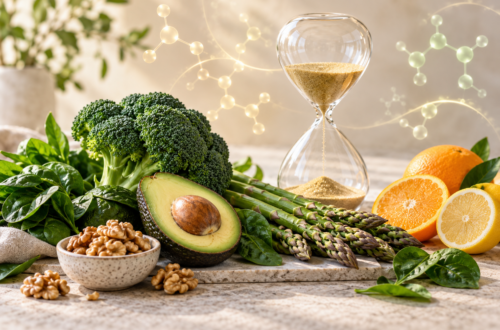
Glutathione is often discussed in wellness conversations, but it is only one part of a much bigger picture. Your body naturally produces glutathione, and everyday habits such as nutrition, movement, sleep, and hydration can influence the broader processes involved in cellular wellness.
Glutathione is made from three amino acids—cysteine, glutamate, and glycine. It participates in the body’s natural antioxidant systems and several normal cellular processes. Instead of focusing on one product or wellness trend, understanding how daily habits fit into the picture can help you take a more balanced approach.
Understanding Glutathione’s Natural Role
Glutathione is naturally present in cells throughout the body. One of its well-known roles involves antioxidant activity.
Normal metabolism produces reactive molecules as part of everyday cellular activity. The body has several antioxidant systems that help maintain balance, and glutathione participates in these processes.
Glutathione is also continuously produced, used, and recycled by the body. Its availability can vary depending on factors such as nutrition, age, lifestyle, and individual health circumstances.
Start With Balanced Nutrition
Nutrition provides the building blocks your body uses for many biological processes, including glutathione production.
Because glutathione is made from amino acids, consuming adequate protein as part of a balanced diet can provide nutrients the body needs. Protein sources can include eggs, poultry, fish, dairy products, beans, lentils, soy foods, nuts, and seeds.
A varied diet also provides vitamins, minerals, and plant compounds that participate in normal cellular functions.
Rather than following a restrictive “glutathione diet,” consider building meals around protein, vegetables, fruits, whole grains, and healthy fats.
Add a Variety of Vegetables
Vegetables are an important part of a balanced eating pattern, and some are commonly discussed in connection with glutathione-related nutrition.
Cruciferous vegetables, including broccoli, cauliflower, cabbage, kale, and Brussels sprouts, contain naturally occurring sulfur compounds. Garlic and onions are other familiar foods containing sulfur compounds.
These foods should not be viewed as a way to guarantee specific glutathione levels. Instead, they can simply be part of a varied, nutrient-rich eating routine.
Make Regular Movement a Habit
Physical activity influences metabolism, energy use, circulation, and numerous cellular processes.
Exercise has also been studied in relation to the body’s natural antioxidant systems. Individual responses can differ depending on exercise intensity, duration, fitness level, nutrition, recovery, and overall health.
You don’t need an extreme workout plan. Consider activities that realistically fit into your routine, such as:
- Walking or hiking
- Strength or resistance training
- Cycling
- Swimming
- Yoga or mobility exercises
- Recreational sports
The most practical routine is usually one you can maintain consistently.
Prioritize Quality Sleep
Sleep is another important part of everyday wellness. While you rest, your body continues performing many processes related to recovery, metabolism, and normal biological rhythms.
A consistent bedtime and wake-up schedule can help establish a predictable sleep routine. Creating a comfortable sleep environment, reducing late-night screen use, and paying attention to caffeine timing may also help support better sleep habits.
If ongoing sleep problems are affecting your daily life, consider speaking with a healthcare professional.
Stay Consistently Hydrated
Hydration supports many normal functions, including digestion, nutrient transport, temperature regulation, and cellular activity.
Your individual fluid needs can depend on your activity level, environment, diet, age, and health.
Keeping water nearby throughout the day can make hydration easier. Fruits and vegetables such as berries, oranges, watermelon, cucumbers, tomatoes, and leafy greens can also contribute to overall fluid intake.
People with medical conditions that affect fluid needs should follow their healthcare professional’s recommendations.
Give Your Body Time to Recover
Wellness isn’t only about doing more. Recovery matters too.
Challenging workouts, busy schedules, travel, and inconsistent sleep can all place different demands on the body. Building recovery into your routine can help create a more balanced lifestyle.
That might mean taking rest days between demanding workouts, getting adequate sleep, eating regular meals, or simply allowing yourself enough downtime.
Consistency often matters more than trying to maintain an overly demanding routine.
Limit Lifestyle Factors That Work Against Wellness
Some everyday choices can influence the body’s normal oxidative balance.
Smoking, for example, exposes the body to substances associated with oxidative stress. Excessive alcohol consumption can also affect several normal physiological processes.
Rather than looking for a single ingredient to offset lifestyle habits, focus on the bigger picture. Nutrition, movement, sleep, hydration, and other daily choices work together as part of overall wellness.
What About Glutathione Supplements or Injections?
Glutathione is available in several forms, including oral supplements and options offered through some clinician-guided wellness programs.
However, glutathione’s natural biological role inside the body should not be interpreted as evidence that taking additional glutathione will automatically produce a specific wellness outcome.
Individual circumstances can vary. If you’re considering a glutathione supplement or injection, speak with a licensed healthcare professional about your health history, current medications, supplements, and personal goals.
Building a Glutathione-Friendly Lifestyle
Supporting everyday wellness doesn’t need to involve complicated routines.
Start with the fundamentals: eat a varied diet, include adequate protein, stay active, prioritize sleep, drink enough fluids, and allow time for recovery. These habits contribute to overall wellness while supporting the nutritional and physiological processes your body relies on every day.
Glutathione is part of that larger system, not a standalone solution.
The Bottom Line
The connection between glutathione and lifestyle is best viewed through the lens of overall wellness. Glutathione is naturally produced by the body and participates in antioxidant activity and normal cellular processes.
Instead of focusing on a single food, supplement, or wellness approach, build sustainable everyday habits around nutrition, movement, sleep, hydration, and recovery. When considering glutathione products or clinician-guided programs, professional guidance can help you make informed decisions based on your individual needs.