Aging brings many natural changes to the body, from shifts in energy and metabolism to changes at the cellular level. One substance that often comes up in conversations about aging and wellness is glutathione, a naturally occurring antioxidant found throughout the body.
Glutathione plays a role in normal cellular processes and the body’s antioxidant defenses. Because glutathione status can change with age and other factors, researchers continue to study its relationship with aging, oxidative stress, nutrition, and overall wellness.
So, what exactly is the connection between glutathione levels and aging? Here’s what you should know.
What Is Glutathione?
An Antioxidant Naturally Made by the Body
Glutathione is a substance produced naturally within cells. It is made from three amino acids: cysteine, glycine, and glutamic acid.
One of glutathione’s best-known functions involves antioxidant activity. Normal processes in the body can produce molecules known as free radicals. When the balance between free radicals and antioxidant defenses shifts, oxidative stress can occur.
Glutathione participates in the body’s natural antioxidant system and helps maintain normal cellular function.
What Happens to Glutathione Levels as We Age?
Age Is Only One Part of the Picture
Research has observed differences in glutathione status across age groups, but aging is not the only factor involved. Glutathione levels and activity can be influenced by overall health, nutrition, lifestyle, environmental exposures, and individual biological differences.
That means getting older does not automatically tell you what your individual glutathione status looks like.
Rather than viewing glutathione decline as an unavoidable number attached to age, it is more useful to understand it as one part of a much broader biological picture.
Glutathione and Oxidative Stress
Understanding the Connection
Oxidative stress is often discussed alongside aging.
Free radicals are generated during normal metabolic processes and through exposure to certain environmental factors. The body uses multiple antioxidant systems to help maintain balance, and glutathione is one part of that network.
Researchers continue to investigate how changes in oxidative balance relate to aging and age-associated changes in the body.
However, antioxidant biology is complex. Simply increasing the amount of one antioxidant does not necessarily translate into a specific wellness outcome.
What Can Influence Glutathione Status?
Lifestyle and Individual Factors Matter
Age is not the only consideration when discussing glutathione levels in the body.
Several factors may influence glutathione production, use, or overall antioxidant balance, including:
- Nutritional intake
- Physical activity
- Sleep habits
- Alcohol use
- Smoking
- Environmental exposures
- Certain health conditions
- Individual metabolic differences
These factors can interact differently from one person to another. That is one reason broad claims about glutathione and aging should be approached carefully.
Nutrition and Natural Glutathione Production
Your Body Needs the Right Building Blocks
The body produces its own glutathione, but that process depends partly on access to the amino acids and nutrients involved in normal metabolism.
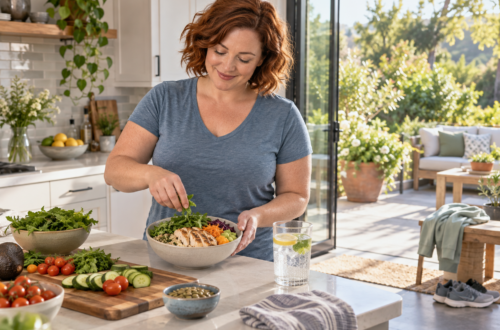
A balanced eating pattern that provides adequate protein and a variety of nutrient-rich foods can help provide nutritional building blocks the body uses for everyday functions.
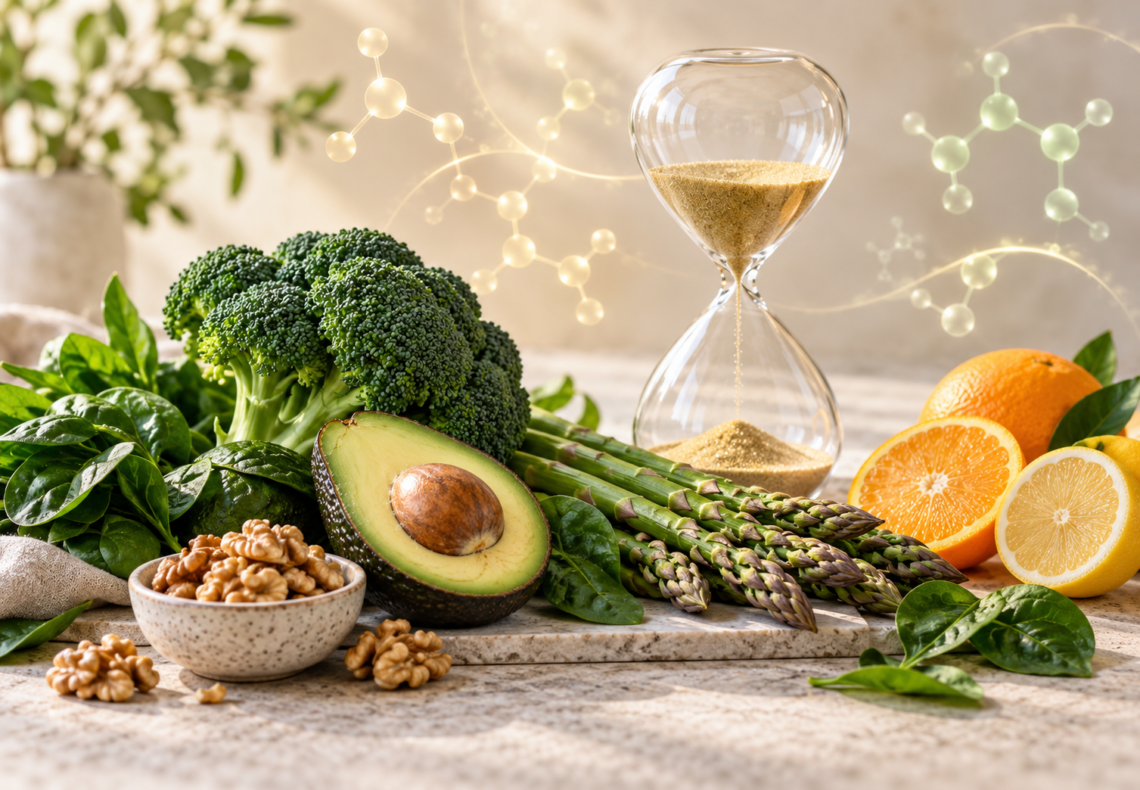
Foods such as eggs, fish, poultry, legumes, vegetables, nuts, and seeds can contribute important nutrients to a balanced diet.
Instead of focusing on one specific “glutathione food,” think about nutrition as part of a complete wellness routine.
Why Are People Interested in Glutathione Injections?
Understanding the Growing Wellness Conversation
As interest in healthy aging has increased, so has attention around glutathione injections and other forms of glutathione.
Some people explore injectable glutathione because they are interested in antioxidant support or want to add provider-guided options to their wellness routine.
It is important, however, to separate glutathione’s established biological role from broader promotional claims about injectable products.
Glutathione injections are sometimes marketed with sweeping claims related to detoxification, appearance, energy, or anti-aging. Not every claim you see online is supported by strong clinical evidence.
Glutathione Injections and Aging
Keep Expectations Realistic
If you are considering glutathione injections for wellness, it helps to approach them with realistic expectations.
Aging is a complex biological process influenced by genetics, lifestyle, environment, and overall health. No single injection, supplement, food, or wellness product can address every change associated with aging.
Individual responses to injectable products may also vary.
A licensed provider can review your health information and discuss whether a particular wellness option may be appropriate based on your individual circumstances.
Healthy Aging Goes Beyond One Antioxidant
Focus on the Bigger Wellness Picture
Glutathione may be an interesting part of the conversation, but a healthy aging routine is much broader.
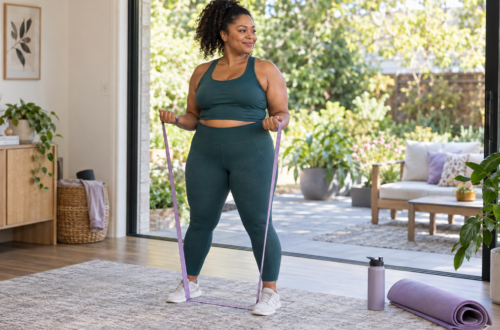
Everyday habits can include getting adequate sleep, staying physically active, eating a balanced diet, maintaining hydration, managing stress, and keeping up with appropriate preventive healthcare.
Rather than looking for one solution to aging, consider how different habits work together over time.
Considering Glutathione? Ask Questions First
Make an Informed Decision
If you are interested in glutathione injections or another glutathione product, consider discussing your goals with a licensed provider.
Be prepared to share your medical history, current medications, supplements, allergies, and reasons for considering glutathione.
You may also want to ask about:
- Potential risks and side effects
- Available evidence for your intended use
- Possible medication or supplement considerations
- How an injectable product should be used and stored
- What follow-up support is available
Having this information can help you better understand what a glutathione wellness program actually involves.
Glutathione and Aging: The Bottom Line
Stay Informed, Not Driven by Trends
The relationship between glutathione levels and aging continues to be an area of scientific interest. Glutathione is naturally produced by the body and plays an important role in antioxidant processes, but aging involves far more than the level of a single antioxidant.
If you are exploring glutathione as part of your wellness routine, focus on reliable information and realistic expectations. Avoid assuming that an injectable or supplement will produce a particular result simply because of claims made online.
A thoughtful wellness routine starts with understanding your individual needs and discussing provider-guided options with a qualified professional.
Disclaimer
This content is for general informational and educational purposes only and is not intended as medical advice, diagnosis, or treatment. Glutathione products, including injectable formulations, may not be appropriate for everyone and can involve potential risks or side effects. Individual experiences vary. Consult a licensed provider about your health history, medications, supplements, and individual circumstances before beginning or changing any treatment or wellness program.